How to Make Strong Bones After Menopause ?

The menopause in females bring many changes, but one of the most critical ones is the effect on bone health. Following menopause, estrogen levels drop considerably that will lead to increased rates of bone resorption and accelerated bone loss. This increases the risk of developing osteoporosis, with women losing as much as 10% bone mass in the first five years following menopause. Furthermore, 50% of women who are post-menopausal will suffer a silent fracture.
However, you can make the strong bones by building up bone mass and maintaining bone health in order to live active and independent for decades to come. By following this guide to making strong bones after menopause, you’ll learn how to do exactly that and reduce the risk of a fracture significantly.
Healthy bone tissue vs. Osteoporotic bone tissue: Healthy bone tissue is dense and honeycombed; osteoporotic bones are porous and brittle.
Why Bone Loss Accelerates After Menopause
As mentioned earlier after menopause the estrogen hormone levels fall and decreae the bone quality. Let know how bone loss occurs after menopause in female by this
The Estrogen is responsibe for regulating the activity between bone-forming cells and bone-destruction cells which are osteoblast and osteoclast cell respectively.
As the estrogen levels falls in the bode, the rate of bone destruction becomes significantly faster than the rate of bone formation resulting the porus type of bone after some period of time
Beside the estrone there are some otherfactors that are also responsible for the weakness of the bone after menopause. These most common factors include:
- Age
- Family history and genetic factors
- body weight
- Smoking
- Alcohol
- Certain medications
These factors can speed up the bone weaking process. This can lead to a chance of osteopenia (early bone thinning). This can later convert to osteoporosis especially in the spine, hips and wrists bones.
Steps for Making the stronger Bones after Menopause
Early Action Matters Starting strong-bone habits in your life can help you to maintain or even increase bone density naturally. Here are some steps that can help to Make Strong Bones after Menopause in Women
Step 1: Get a Baseline Bone Density Test
Don’t wait to get a fracture. Consult with your doctor for a DEXA scan or BMD scan to know about quality of your bone. You can do these test if you’re:
- Age 55 or older
- Postmenopausal with risk factors (family history, early menopause, low weight, smoking, alcohol)
This quick painless test measures your bone mineral density (BMD). It gives a T-score to guide your plan for making the bone stronger
Step 2: Eat for Bone Strength – Focus on Calcium, Vitamin D & More Nutrients
Your diet is the one of the most important part for the foundation for making bones. Minerals and vitamins plays major role for it.
Your diet is the foundation for making the stronger bones. Postmenopausal women need 1,200 mg of calcium daily and 800–1,000 IU of vitamin D (some experts recommend up to 2,000 IU).
Top Calcium-Rich Foods (Aim for food first — better absorbed than supplements):
- Dairy: Milk, yogurt, cheese (300 mg per cup of milk)
- Fish with bones: Canned salmon, sardines
- Nuts & seeds: Almonds, chia, sesame
- Fortified foods: Plant milks, orange juice, cereals
- Leafy greens: Kale, spinach, broccoli
- Other: Tofu, beans, dried figs
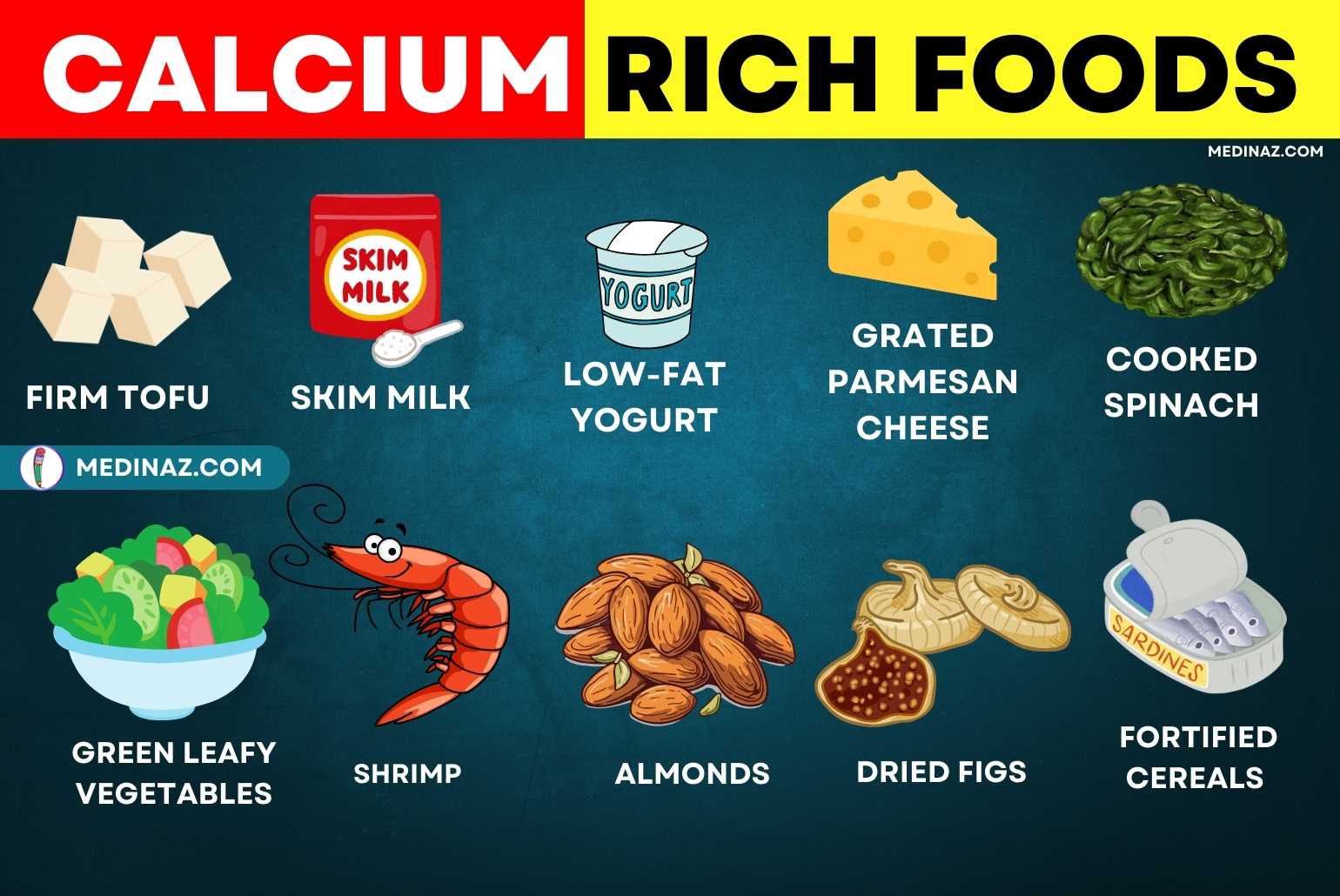
Calcium-rich plate: Milk, cheese, greens, nuts, fish, and beans — easy ways to hit your daily target.
Bonus bone builders:
- Protein (0.8–1 g per kg body weight): Supports bone matrix. Include eggs, poultry, fish, beans, Greek yogurt.
- Vitamin D sources: Sunlight (10–15 min daily), fatty fish, egg yolks, fortified foods.
- Magnesium & Vitamin K: Found in nuts, seeds, leafy greens, and avocados — they help calcium work better.
Pro tip: Pair calcium foods with vitamin D sources (e.g., yogurt + sunlight) for maximum absorption.
Step 3: Do the Right Exercises – Weight-Bearing + Strength Resistant Training
Exercise is one of the most powerful ways to stimulate bone-building cells. Focus on weight-bearing and resistance activities 3–5 days a week will boost your bone health
Best Weight-Bearing Exercises:
- Brisk walking and hiking (30 minutes)
- Dancing or pickleball exercise
- Tennis or low-impact aerobics
- Jogging or stair climbing ups and down
- Running and morning walk
- Playing soft football
Strength Training (2–3 days/week):
- Squats and lunges
- weight training exercises
- Deadlifts or resistance-band rows
- Planks and push-ups (modified if needed)
- Overhead presses and chest presses
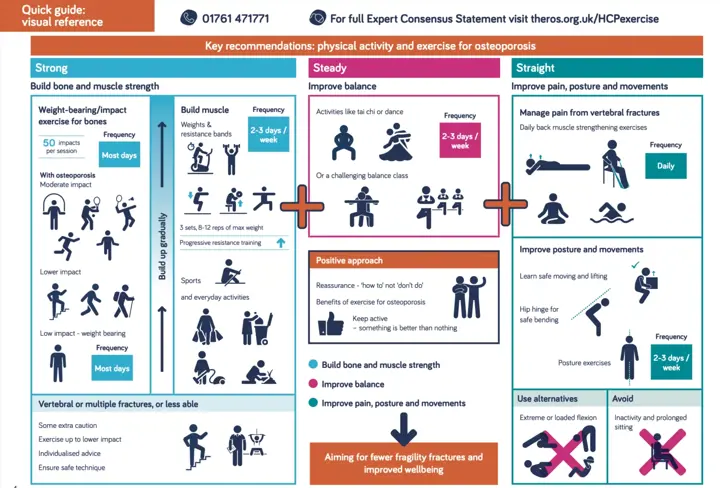
Start slow, progress gradually, and check with your doctor if you have osteoporosis (Be remember that you have to avoid heavy spinal twists or forward bends while focusing on weight bearing exerecie that can damage yoru spine health).
Step 4: Adopt Bone-Protecting Lifestyle Habits
- Quit smoking — it accelerates bone loss.
- Limit alcohol to 1 drink/day max or you can stop it
- Maintain a healthy weight — being underweight also increases risk for weak bones
- Get enough sleep and manage stress (cortisol can weaken bones).
Step 5: Consider Targeted Supplements (If Diet Falls Short)
Diet comes first, but many women benefit from:
- Calcium citrate or carbonate (500–600 mg per dose, split throughout day)
- Vitamin D3 (test levels first; aim for 40–60 ng/mL)
- Magnesium (300–400 mg) and Vitamin K2 (helps direct calcium to bones)
Always test vitamin D levels and consult your doctor before starting — too much calcium without balance can cause some other issues in kidney and hearth health
Step 6: Explore Medical Options When Needed
If your T-score on dexa scan or BMD scan shows significant loss or you might get fracture at any time:
- Hormone Replacement Therapy (HRT): Estrogen therapy is highly effective for preventing bone loss, especially if started soon after menopause.
- Bisphosphonates or other medications (e.g., denosumab) for higher-risk cases.
- Your doctor will weigh benefits vs. risks based on your full health profile.
30-Day Starter Plan to Build Strong Bones After Menopause
Week 1–2: Track calcium intake + 30-min daily walks. Add one strength session.
Week 3–4: Increase to 3 strength sessions + calcium-rich meals daily. Add balance moves.
Daily habit: 10–15 minutes of sunlight + protein at every meal.
Frequently Asked Questions
Can you reverse bone loss after menopause?
You can slow it dramatically and often improve density with consistent diet, exercise, and treatment.
Are there foods to avoid?
Limit excess caffeine, salt, and sodas — they can increase calcium loss.
Is swimming enough?
Great for overall fitness but not weight-bearing, so pair it with walking or weights.
When should I see results?
Bone density improvements show on scans after 6–12 months of consistent effort.
Final Thoughts: Strong Bones = Stronger You
Making strong bones after menopause isn’t complicated — it’s about consistent, smart choices in diet, movement, and lifestyle. Thousands of women are doing it successfully and living fracture-free, vibrant lives well into their 70s, 80s, and beyond.
Start today with one small change: Add a calcium-rich snack and a 20-minute walk. Your future self will thank you.
Important: This information is for educational purposes only and is not a substitute for personalized medical advice. Always consult your healthcare provider before making major changes, especially if you have existing conditions or take medications.
Share this guide with friends in menopause — together, we can build a stronger, healthier future!